Introduction
In the world of Search Engine Optimization (SEO), ranking a website on search engines is not only about what happens on your website. Off-page optimization plays a major role in improving your website’s authority, credibility, and visibility. It helps search engines understand how trustworthy and popular your site is across the internet.
What is Off-Page Optimization?
Off-page optimization refers to all the activities performed outside your website to improve its search engine rankings. It mainly focuses on building backlinks, increasing brand mentions, and improving your online reputation.
Why Off-Page SEO is Important
Search engines like Google consider off-page factors as a key ranking signal. When other websites link to your content, it acts as a vote of confidence, showing that your content is valuable and trustworthy. This helps improve your domain authority and search rankings.
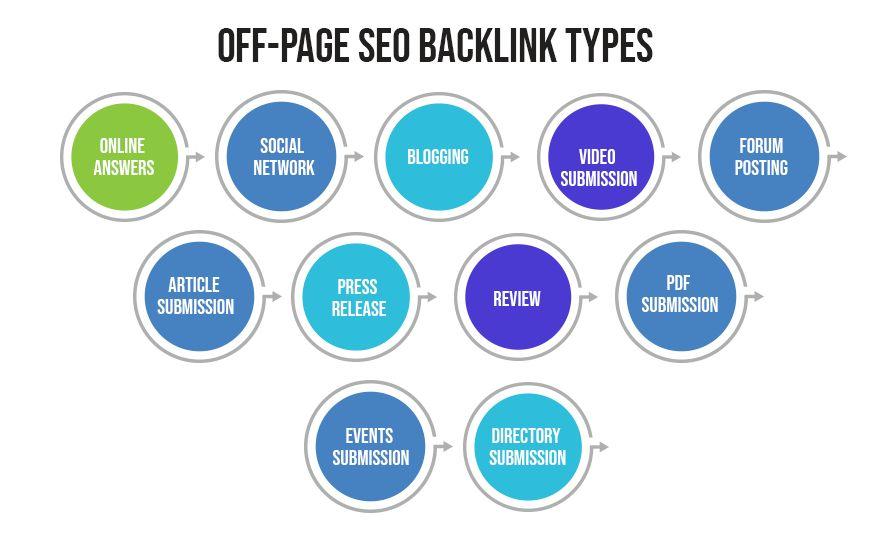
Key Techniques of Off-Page Optimization
1. Link Building
Link building is the most important part of off-page SEO. It involves getting backlinks from other websites to your site. High-quality backlinks from authoritative websites improve your credibility and ranking.
2. Social Media Engagement
Promoting your content on social media platforms like Facebook and Instagram increases visibility and drives traffic to your website.
3. Guest Posting
Writing articles for other blogs or websites helps you gain backlinks and reach a wider audience.
4. Social Bookmarking
Submitting your website to bookmarking sites helps in faster indexing and increased traffic.
5. Influencer Outreach
Collaborating with influencers can help promote your content and improve brand awareness.
6. Directory Submissions
Listing your website in online directories helps improve visibility and build backlinks.
Benefits of Off-Page Optimization
- Improves search engine rankings
- Builds website authority and trust
- Increases referral traffic
- Enhances brand awareness
- Supports long-term SEO growth
Common Mistakes to Avoid
- Using low-quality or spammy backlinks
- Ignoring relevance of linking websites
- Over-optimizing anchor text
- Not maintaining consistency
- Focusing only on quantity over quality
Tips for Effective Off-Page SEO
- Focus on high-quality backlinks
- Create valuable and shareable content
- Build relationships with other websites
- Monitor backlinks regularly
- Stay updated with SEO trends
Conclusion
Off-page optimization is a crucial part of SEO that helps improve your website’s authority and ranking. By building quality backlinks and maintaining a strong online presence, you can achieve long-term success in search engine rankings. A well-planned off-page SEO strategy is essential for growing your website and reaching a wider audience.
No responses yet